
How to Lower Hematocrit on TRT: Simple Steps for Better Blood Health
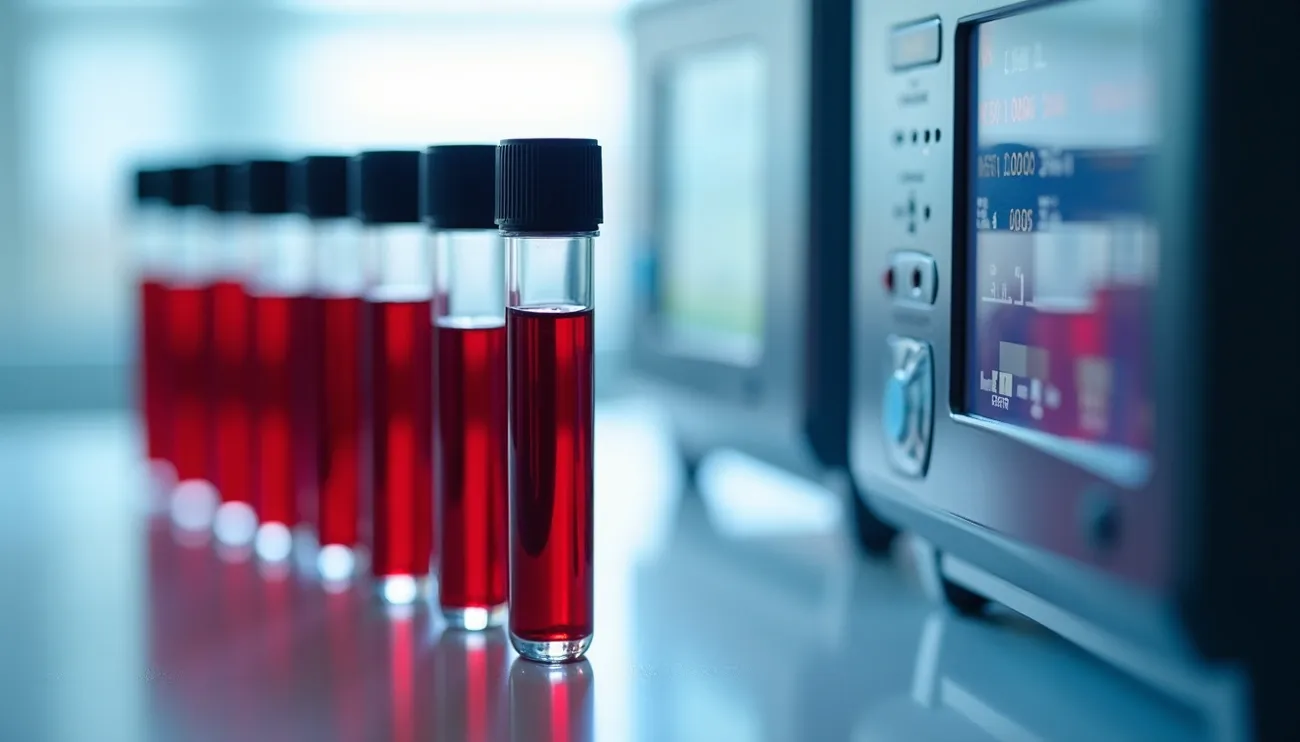 A surprising fact: up to 20% of men taking testosterone replacement therapy see their hematocrit levels rise. Managing these levels becomes crucial if you want to keep getting the most from your therapy while staying healthy.
TRT can transform the lives of men with low testosterone. Yet it often brings this tricky side effect. The good news? You don’t need extreme measures or stopping your treatment to get your hematocrit under control. Smart management strategies help you keep your levels in check while enjoying TRT’s benefits.
This piece offers real solutions that work – from simple changes in your daily routine to medical steps at the time they’re needed. You’ll learn why TRT causes hematocrit to rise and who needs to be extra careful. These proven methods will help keep your blood levels healthy, whether you’ve already spotted high numbers in your tests or just want to stay ahead of potential problems. The best part? You won’t have to give up the positive changes TRT has brought to your life.
What Is Hematocrit and Why It Matters on TRT
Hematocrit is a vital blood measurement that matters a lot for men who take testosterone replacement therapy. Let’s explore what this measurement means and why you should pay attention to it.
Understanding hematocrit levels
Hematocrit (HCT) shows what percentage of your blood volume consists of red blood cells. This measurement tells you how much of your blood carries oxygen compared to plasma. Your doctor’s complete blood count will always include this measurement.
This biomarker is easy to understand. A hematocrit of 45% means your blood has 45% red blood cells, while plasma and other components make up the remaining 55%.
Your body’s testosterone plays a key role in managing this blood parameter. Doctors used to prescribe testosterone to treat anemia because it helps produce red blood cells.
Normal vs. elevated ranges
Adult men’s normal hematocrit ranges from 40% to 54%, though lab reference ranges might differ slightly. Women’s normal values stay lower (36-48%) because of hormonal differences.
These numbers can change a lot with testosterone replacement therapy. Doctors define erythrocytosis as hematocrit above 49% in men. Most doctors start to worry when levels go above 52-54%.
Studies show 5% to 66% of men on TRT develop high hematocrit levels. These numbers vary based on testosterone type and personal risk factors. A newer study, published by researchers found that 57% of TRT patients had hematocrit values above 46%, and 23% went over 50%.
Why high hematocrit is a concern
High hematocrit creates several health risks that relate to blood thickness and flow:
-
Blood viscosity: Thicker blood doesn’t flow well through your blood vessels
-
Increased clotting risk: The Framingham study tracked participants for 34 years and found clear links between high hematocrit and heart problems
-
Venous thromboembolism: Research associates high hematocrit with dangerous blood clots
This is a big deal as it means that the U.S. Food and Drug Administration has warned about blood clots, heart attacks, and strokes in people using testosterone products.
High hematocrit can also cause uncomfortable symptoms like:
-
Headaches
-
Fatigue and weakness
-
Chest and abdominal pain
-
Blurred vision
-
Paresthesias (unusual sensations like numbness or tingling)
Medical guidelines suggest stopping testosterone therapy and trying therapeutic phlebotomy (controlled blood removal) when patients show symptoms and their hematocrit exceeds 54%. Monitoring these levels becomes a vital part of any TRT protocol.
How Testosterone Therapy Raises Hematocrit
Testosterone replacement therapy affects your body’s blood production system through multiple biological pathways. You need to understand these mechanisms to manage hematocrit levels while on TRT.
Role of erythropoietin and red blood cell production
Testosterone makes a big deal of increasing erythropoietin (EPO), a hormone your kidneys produce that controls red blood cell production. Research in the Journal of Gerontology showed that testosterone administration increases EPO levels and creates “a new erythropoietin/hemoglobin set point.”
This hormone signals your bone marrow to produce more oxygen-carrying red blood cells. So, men on TRT usually see their hemoglobin and hematocrit levels rise. Clinical data suggests older men’s bone marrow might react more strongly to testosterone-driven EPO stimulation.
Research indicates that testosterone can activate bone marrow without EPO involvement. This two-way process explains why doctors have used testosterone to treat certain types of anemia.
Suppression of hepcidin and iron availability
Among other effects on EPO stimulation, testosterone changes iron metabolism by suppressing hepcidin, a regulatory hormone from the liver. Many studies show this is a vital mechanism in testosterone-induced erythrocytosis.
Hepcidin works as your body’s main iron-controlling hormone. When testosterone reduces hepcidin production:
-
Your digestive tract absorbs more iron
-
Tissues release stored iron more easily
-
More iron becomes available to make hemoglobin and red blood cells
Research from 2014 and 2020 showed that testosterone reduces hepcidin levels faster. Animal studies suggest that while hepcidin suppression happens with testosterone treatment, your body might not need it to boost red blood cell production. This shows how complex these biological pathways are.
Impact of testosterone formulation and dosage
Your method of taking testosterone changes your risk of high hematocrit. Complete research analysis shows different forms carry varying risks:
Short-acting injectable testosterone esters (like testosterone enanthate) link most strongly to erythrocytosis. A 2022 systematic review and meta-analysis confirmed these injections pose the highest risk of raising hematocrit.
Transdermal applications (gels and patches) pose the lowest risk of causing high erythrocytosis. Doctors often switch patients from injections to gels or patches first when managing high hematocrit.
Testosterone’s effect on hematocrit depends on the dose. Higher doses create more red blood cells and higher hematocrit levels. Recent studies show many patients reach their peak measurements in their first year of TRT, regardless of the form used.
Your starting hematocrit value helps predict how your body will respond. Men who start treatment with high-normal hematocrit values face a higher risk of exceeding safe levels after beginning treatment.
Who Is Most at Risk for High Hematocrit on TRT
Men on TRT show different responses in their hematocrit levels. Research shows certain factors put some men at high risk of developing erythrocytosis during testosterone therapy. These risk factors help predict which patients need closer monitoring and early interventions to lower hematocrit during TRT.
Baseline hematocrit and age
Your starting hematocrit value predicts how your body will respond to testosterone therapy. Men who start TRT with high-normal hematocrit levels face greater odds of exceeding safe thresholds after treatment begins.
Research showed that baseline hematocrit measurements linked directly to reaching hematocrit levels ≥46% (p=0.025). This finding proves why getting complete bloodwork before starting therapy matters so much.
Age plays a key role too. Older men’s bone marrow tends to react more strongly to erythropoietic stimuli, including testosterone-triggered EPO increases. Men over 60 should watch their hematocrit levels carefully during TRT.
BMI and body fat percentage
BMI shows one of the strongest links to high hematocrit development during testosterone therapy. A newer study showed BMI linked directly to developing hematocrit ≥50% (p=0.013) and ≥46% (p=0.008).
Each BMI unit increase raised the risk of elevated hematocrit by 13%. This strong connection comes from several factors:
-
Fat tissue converts more testosterone to estradiol
-
Higher body fat leads to insulin resistance
-
Excess fat tissue causes inflammation
Barbieri’s research showed that high insulin levels and insulin resistance directly increase erythropoiesis. Weight management becomes vital to control hematocrit levels during TRT for men with obesity.
Smoking and sleep apnea
Smokers face extra risks with testosterone therapy. Smith and Landaw first described “smoker’s polycythemia,” which happens because smoking creates chronic tissue hypoxia. This stimulates erythropoietin production separate from testosterone’s effects.
TRT combined with smoking creates a powerful boost in red blood cell production. Studies show smokers’ hematocrit levels rise more than non-smokers during therapy. Quitting smoking can bring these levels closer to normal within a year.
Untreated sleep apnea (OSAS) poses similar risks. Oxygen drops during sleep trigger more red blood cell production as the body tries to compensate. Lundy’s research found a clear link between untreated OSAS and erythrocytosis in men on TRT.
Use of SGLT-2 inhibitors
SGLT-2 inhibitors, used to treat diabetes, can trigger or worsen erythrocytosis. These medications affect hematocrit in two ways:
-
They concentrate blood through osmotic diuresis
-
They might change how the body handles iron and hepcidin
Men taking both TRT and SGLT-2 inhibitors need extra careful monitoring. While a 10-patient study didn’t show statistical links to higher hematocrit values, doctors have reported cases of severe erythrocytosis.
These risk factors help create tailored monitoring plans and early interventions for men most likely to develop hematocrit problems during testosterone therapy.
How to Lower Hematocrit While on TRT
You don’t always need to stop TRT to manage high red blood cell levels. Let me share some proven ways to lower hematocrit on TRT that will help you keep the benefits of your testosterone treatment.
Adjusting testosterone dose or delivery method
Your testosterone protocol needs changes when your hematocrit levels rise too high. Research shows that hematocrit elevation depends on the dose – lower doses usually lead to smaller increases in red blood cell production.
Talk to your doctor about these options:
-
Lowering your overall testosterone dose
-
Taking smaller doses more often instead of larger ones less frequently
-
Keeping your levels in the lower half of the therapeutic range
This strategy helps you find that sweet spot where you get testosterone’s benefits with minimal side effects. Blood tests will show if these changes successfully lower your hematocrit.
Switching from injections to gels or patches
Injections, especially short-acting esters like testosterone enanthate, raise erythrocytosis risk more than other forms of testosterone. Gels and patches applied to skin show nowhere near the same risk of raising hematocrit levels.
Yes, it is true – a 2022 largest longitudinal study in the Journal of Urology showed how your method of taking testosterone affects hematocrit changes. Many men who can’t control their levels by adjusting doses find that switching from injections to gels or patches solves the problem while keeping their testosterone at the right level.
Therapeutic phlebotomy as a short-term fix
The quickest way to reduce hematocrit right away is therapeutic phlebotomy (controlled blood removal). This procedure lowers blood thickness faster and helps with hyperviscosity symptoms.
Medical guidelines suggest blood removal alongside TRT adjustments if your hematocrit goes above 54% and you have symptoms. Regular blood donation every 8-12 weeks can also help you manage hematocrit levels over time.
Avoiding iron supplements unless prescribed
Iron plays a vital role in testosterone-induced erythrocytosis. Your body naturally absorbs more iron when you take testosterone because it suppresses hepcidin. This makes taking extra iron potentially risky.
Stay away from iron supplements while on TRT unless your doctor prescribes them for diagnosed iron deficiency. Watch out for multivitamins that contain iron too – even these small amounts might raise red blood cells in some people.
Monitoring and Personalizing Your TRT Plan
Blood monitoring is the life-blood of successful testosterone replacement therapy. This helps make timely adjustments before hematocrit reaches worrying levels. Good oversight lets you enjoy TRT benefits while minimizing what it all means.
How often to check hematocrit levels
Your baseline hematocrit measurement is vital before starting testosterone therapy. The first checks should happen at 3, 6, and 12 months after treatment begins. Studies show all but one of these patients who develop high levels do so within their first year on TRT.
After the first year, yearly testing works well if you have normal risk factors. Notwithstanding that, you’ll need more frequent checks if you have:
-
Baseline hematocrit in the high-normal range
-
History of smoking or sleep apnea
-
Higher BMI (each unit increase associates with 13% higher risk)
-
Chronic conditions like COPD
-
Previous cardiovascular disease
When to pause or adjust therapy
Medical guidelines differ slightly on intervention thresholds, but here’s what you need to know:
-
Hematocrit 50-52%: Think about dose reduction or formulation change
-
Hematocrit 52-54%: More aggressive intervention needed
-
Hematocrit ≥54% with symptoms: Stop testosterone temporarily and think about phlebotomy
Patients with symptoms (headache, fatigue, vision changes) need immediate medical attention regardless of their actual hematocrit value. Treatment can often restart with modified protocols once levels return to normal.
Working with your doctor for customized care
Your TRT success depends on a strong partnership with your healthcare provider. Tell your doctor right away about hematocrit concerns. Customized care leads to better results than standard approaches.
Your doctor should assess your complete clinical picture. Age, BMI, smoking status, and other medications help create a tailored monitoring schedule. This balanced approach maximizes testosterone benefits while managing erythrocytosis risk.
Conclusion
Successful testosterone replacement therapy depends on how well you manage your hematocrit levels. This piece explores the intricate connection between TRT and red blood cell production, along with practical ways to maintain healthy blood parameters. Your personal risk factors—age, BMI, smoking habits, or sleep apnea—give you an edge in preventing complications.
High hematocrit doesn’t mean you need to stop testosterone therapy. Your doctor can help adjust your protocol through dose modifications, frequency changes, or a switch to transdermal applications. These changes often fix hematocrit issues while keeping TRT’s benefits intact. Therapeutic phlebotomy can be a great short-term solution when you need immediate intervention.
Blood work monitoring is the foundation of any successful TRT program. Your alertness to blood work results, especially during the first year of treatment, helps catch problems before hematocrit reaches dangerous levels. Make routine appointments and keep clear communication with your healthcare provider throughout your TRT experience.
The ultimate aim is finding your sweet spot—where testosterone levels enhance your life without risking cardiovascular health. Most men can direct their TRT journey while keeping hematocrit within safe ranges using these strategies. Your health deserves this balanced approach that combines testosterone optimization’s benefits with careful attention to blood health markers.
How to Lower Hematocrit on TRT: Effective Strategies,
Discover how to manage and lower hematocrit levels while on testosterone replacement therapy (TRT) with practical tips and medical advice for better blood health.