
You’re taking levothyroxine and your labs look “normal,” but you still wake up exhausted. Brain fog clouds your thinking, weight creeps up despite your best efforts, and your doctor says everything appears fine. This frustrating scenario affects nearly two million people with hypothyroidism across the UK [6]. And according ot the American Thyroid Association, in the United States. an estimated 20 million Americans have some form of thyroid disease. Up to 60 percent of those with thyroid disease are unaware of their condition.
The problem isn’t your imagination. Your thyroid naturally produces two hormones—T4 and T3—but T3 is the one your cells actually use [8]. Standard treatment focuses almost exclusively on T4 replacement through levothyroxine, leaving many patients with persistent symptoms despite achieving target lab values.
T3 medication (liothyronine) works differently than levothyroxine. Your body uses T3 directly without needing conversion, which can make all the difference for certain patients. While over one million people in the UK take levothyroxine, a significant portion continue struggling with symptoms their labs suggest shouldn’t exist [6].
Research on T3 supplementation shows mixed results, but some patients experience substantial benefits they couldn’t achieve with T4 alone [9]. The key lies in understanding which patients need both hormones to feel their best.
This guide reveals why T3 might be the missing piece in your thyroid treatment. You’ll learn the science behind T3’s unique benefits, discover who responds best to combination therapy, and understand how to safely explore this option with your healthcare provider. Whether you’ve been on levothyroxine for years without full relief or you’re just starting your thyroid journey, T3 supplementation might be your path to feeling truly well again.
Why T4 Alone Doesn’t Work for Everyone
Patients walk into my office carrying years of frustration. Their TSH looks perfect on levothyroxine, yet fatigue dominates their days and brain fog clouds their thinking. The disconnect between “normal” labs and persistent symptoms isn’t coincidence—it reveals a fundamental gap in standard thyroid treatment.
Common symptoms that persist despite normal labs
Fatigue that sleep doesn’t fix. Hair thinning despite good nutrition. Weight that won’t budge no matter how well you eat or exercise. Cold hands and feet when others feel comfortable. These symptoms aren’t “just depression” or “getting older,” as many patients have been told.
The problem lies in how we test thyroid function. Standard labs focus on TSH and sometimes T4 levels, but they miss a crucial piece of the puzzle. Your cells don’t actually use T4—they need T3, the active form that powers your metabolism, brain function, and energy production.
This explains why two patients can have identical lab results yet feel completely different. One thrives on levothyroxine while the other struggles with persistent symptoms despite “optimal” treatment.
Understanding the T4 to T3 conversion process
Your thyroid produces both hormones naturally—about 80% T4 and 20% T3. Most of your body’s T3 doesn’t come directly from the thyroid, though. Instead, tissues throughout your body convert T4 into T3 using specialized enzymes called deiodinases.
This conversion happens primarily in your liver, kidneys, and other peripheral tissues. The process removes one iodine molecule from T4, creating the active T3 hormone your cells can actually use.
Several factors can disrupt this critical conversion:
- Nutrient deficiencies, especially selenium and zinc
- Medications like beta-blockers and certain antidepressants
- Chronic stress elevating cortisol levels
- Liver dysfunction or sluggish detoxification
- Inflammatory conditions throughout the body
- Natural aging processes
- Genetic variations in deiodinase enzymes
Research shows that roughly 15-20% of people have genetic variants affecting their ability to efficiently convert T4 to T3. For these individuals, increasing levothyroxine doses won’t resolve symptoms because the fundamental conversion problem remains unaddressed.
Is levothyroxine T3 or T4?
Levothyroxine is synthetic T4 only. Brand names like Synthroid, Levoxyl, and Tirosint contain zero T3. Your body must convert every bit of that T4 into usable T3 through the process described above.
For patients with efficient conversion, this works perfectly. Your tissues transform the T4 into adequate T3 levels, and symptoms improve. However, for those with conversion challenges, this approach leaves a treatment gap that no amount of T4 can fill.
This becomes especially problematic for patients with Hashimoto’s thyroiditis. About 10% of hypothyroid patients have autoimmune conditions that create fluctuating conversion rates over time. They might initially respond well to levothyroxine, then gradually develop symptoms again as their conversion efficiency changes.
Understanding these conversion challenges explains why so many patients continue searching for solutions beyond standard T4 therapy. Your body might need direct T3 support to achieve the hormone levels your cells actually require for optimal function.
What Is T3 and How Does It Work?
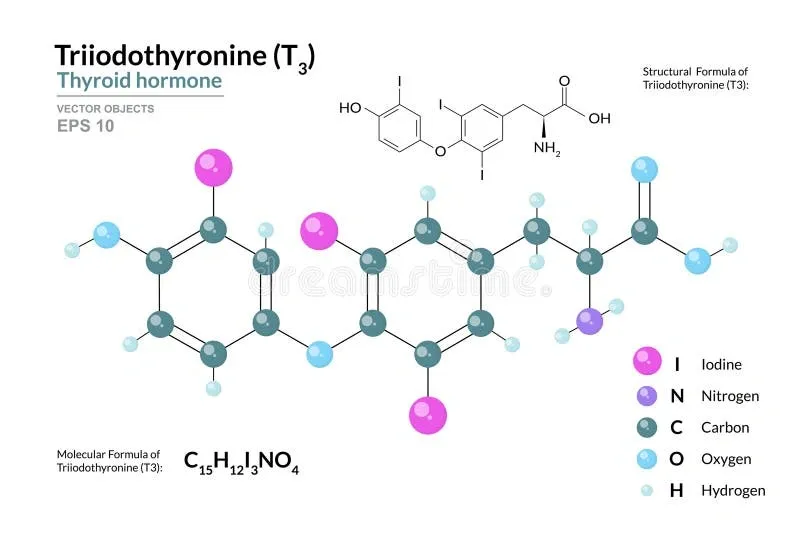
Image Source: Dreamstime
T3, or triiodothyronine, is the powerhouse hormone your cells actually use. Unlike T4, which serves as a storage hormone, T3 directly activates cellular receptors throughout your body. Think of T4 as the raw material and T3 as the finished product your cells recognize and respond to.
The role of liothyronine (T3) in the body
Liothyronine—the synthetic form of T3—acts as your body’s metabolic master switch. This hormone controls virtually every cellular process:
- Metabolic regulation: T3 determines how efficiently your body burns calories and maintains weight [1]
- Cardiovascular function: T3 controls heart rate, blood volume pumping, and cardiac muscle strength [1]
- Brain development and function: T3 is essential for cognitive function, with deficiencies linked to depression, memory problems, and severe behavioral changes [1]
- Energy production: T3 stimulates respiratory centers to boost oxygenation [1]
- Lipid metabolism: T3 regulates how your body builds and breaks down fats [1]
T3 also impacts digestion, muscle function, and skin health. Without adequate T3 levels, every bodily system operates below capacity—which explains why you might feel “off” despite normal TSH results.
How T3 differs from T4
The difference between these hormones matters more than most doctors realize. T4 functions as an inactive precursor that must convert to T3 before your cells can use it [2]. T3 works immediately upon reaching cellular receptors.
Your thyroid produces roughly 10 nmol/kg of T4 daily compared to only 0.7 nmol/kg of T3 [3]. This means your thyroid creates just 20% of your daily T3 needs directly—the remaining 80% comes from converting T4 in tissues like your liver, kidneys, and other organs [3].
T3 also has a much shorter half-life than T4 [4]. After taking synthetic T3 (Cytomel®), blood levels spike quickly, then decline rapidly [4]. This creates unique dosing challenges that don’t exist with longer-acting T4.
Why some patients need direct T3 support
Certain patients benefit specifically from T3 medication, particularly those who:
- Have genetic variants affecting deiodinase enzymes (D1, D2, D3) that convert T4 to T3 [5]
- Show lower serum T3 concentrations despite normal TSH levels on levothyroxine [5]
- Experience persistent symptoms despite “optimal” T4-only therapy results
Recent research reveals that specific D2 polymorphisms predict better response to combination T4/T3 therapy versus T4 alone [6]. These genetic variations explain why some patients never achieve symptom relief with levothyroxine, regardless of dose adjustments.
Additionally, patients with MCT8 mutations (affecting thyroid hormone transport) may have elevated T4 but low T3 levels [6]. For these individuals, direct T3 supplementation can make a significant difference.
At Venture Wellness, we evaluate each patient’s unique conversion patterns when developing treatment plans. If you continue struggling with hypothyroid symptoms despite normal TSH levels on levothyroxine, T3 supplementation might provide the missing piece in your treatment puzzle.
Hidden Benefits of T3 in Hypothyroidism Treatment
Certain patients struggle for years on T4-only therapy, then experience remarkable improvements once T3 joins their treatment plan. These benefits of T3 supplementation often remain hidden in standard care, yet they can make all the difference for the right patients.
Improved energy and mental clarity
T3 supplementation frequently resolves persistent fatigue where levothyroxine alone falls short. Research shows that free T3 levels impact brain function significantly, with studies revealing a meaningful connection between T3 levels and cognitive processing speed [7]. Patients with even slightly decreased T3 levels show a twofold increased risk of cognitive impairment compared to those with optimal levels [7].
T3 influences neuronal growth and neurotransmitter synthesis—both essential for mental clarity [7]. For patients whose brains remain foggy despite “normal” TSH levels, T3 can provide the missing piece for cognitive function.
Better weight management and metabolism
Your metabolism depends directly on T3 levels. Research demonstrates that higher baseline free T3 levels predict greater weight loss success during diet interventions [8]. Changes in free T3 levels correlate positively with changes in body weight, resting metabolic rate, and body fat mass [8].
This explains why some patients can’t lose weight despite perfect diet and exercise habits while on T4-only therapy. Proper T3 levels may resolve these frustrating weight management challenges that persist with levothyroxine alone.
Enhanced mood and reduced brain fog
Brain fog affects approximately 95% of patients with hypothyroidism [9]. This isn’t just “feeling tired”—it’s forgetfulness, difficulty focusing, and mental fatigue that impacts daily life. Adding liothyronine (T3) to treatment can alleviate these symptoms, particularly in patients over 50 [9].
During a study survey, patients reported that rest, exercise, and thyroid hormone adjustments—especially adding T3—were the most effective interventions for improving brain fog symptoms [10]. For many, T3 provides the mental clarity that T4 alone couldn’t deliver.
Support for those with poor T4-to-T3 conversion
Roughly 10-15% of adults on T4-only therapy cannot achieve normal T3 levels despite having normal T4 levels [11]. Your body might struggle with conversion due to:
- Selenium or zinc deficiencies [12]
- Chronic illness or inflammation [13]
- Insulin resistance or diabetes [12]
- Gut dysbiosis affecting the 20% of T4 converted in the digestive tract [12]
For these patients, direct T3 supplementation compensates for conversion deficiencies that no amount of levothyroxine can overcome.
Potential benefits for genetic variants
Research has identified specific polymorphisms in the DIO2 gene that control T4 to T3 conversion and significantly predict response to combination therapy [5]. One British study found that 16% of hypothyroid individuals had genetic mutations that slowed T4 to T3 conversion [14].
For these patients, T3 supplementation isn’t just helpful—it’s often essential for symptom resolution. Your genetics may determine whether T4-only therapy will ever work for you.
At Venture Wellness, we recognize that standard protocols don’t work for everyone. If you’ve been struggling with persistent symptoms despite “normal” labs on levothyroxine, T3 supplementation might be your path to feeling truly well again.
Is T3 Safe? What the Research Says
Safety concerns about T3 supplementation are completely understandable. Thyroid hormones influence virtually every system in your body, making proper dosing and monitoring essential for successful treatment.
What studies show about T3 safety
The research on T3 safety is reassuring when treatment is properly managed. A combined analysis of 20 clinical trials involving approximately 1,000 patients receiving combination T4/T3 therapy for up to one year showed adverse reactions similar to those seen with T4-only treatment [5]. The key factor was maintaining TSH levels within normal ranges throughout treatment.
Long-term data proves even more compelling. A large Scottish study tracked about 400 individuals on combination therapy for up to 17 years and found adverse reactions comparable to levothyroxine-only patients [5]. A Swedish registry study of 575,461 individuals on thyroid replacement (including 11,147 using liothyronine) detected no increased mortality risk compared with levothyroxine use over 8.1 years of follow-up [5].
Risks of overtreatment and how to avoid them
However, overtreatment can lead to serious complications that require careful prevention:
- Increased risk of heart arrhythmias and cardiovascular issues [15]
- Development of osteoporosis and bone fractures [15]
- Symptoms like anxiety, memory issues, diarrhea, and excessive sweating [15]
Regular blood testing and symptom monitoring prevent these risks. Never adjust your dose without medical supervision [16]. Overtreatment shows up in blood tests, making consistent follow-up monitoring non-negotiable for safe treatment.
Why T3 is not used in pregnancy or heart disease
T3 is explicitly contraindicated during pregnancy since it doesn’t cross the placenta properly, potentially depriving the developing baby of adequate thyroid hormone [16]. This risk isn’t worth taking given thyroid hormone’s crucial role in fetal brain development.
Patients with heart conditions need special consideration. The British Thyroid Association clearly states that combination therapy is not recommended for patients over 60 or those with known heart disease [17]. Cardiovascular patients may only be candidates for T3 therapy under very close supervision [18].
At Venture Wellness, we balance thorough evaluation with cautious T3 supplementation protocols, ensuring your safety while helping you achieve optimal thyroid function.
How to Start a T3 Trial Safely
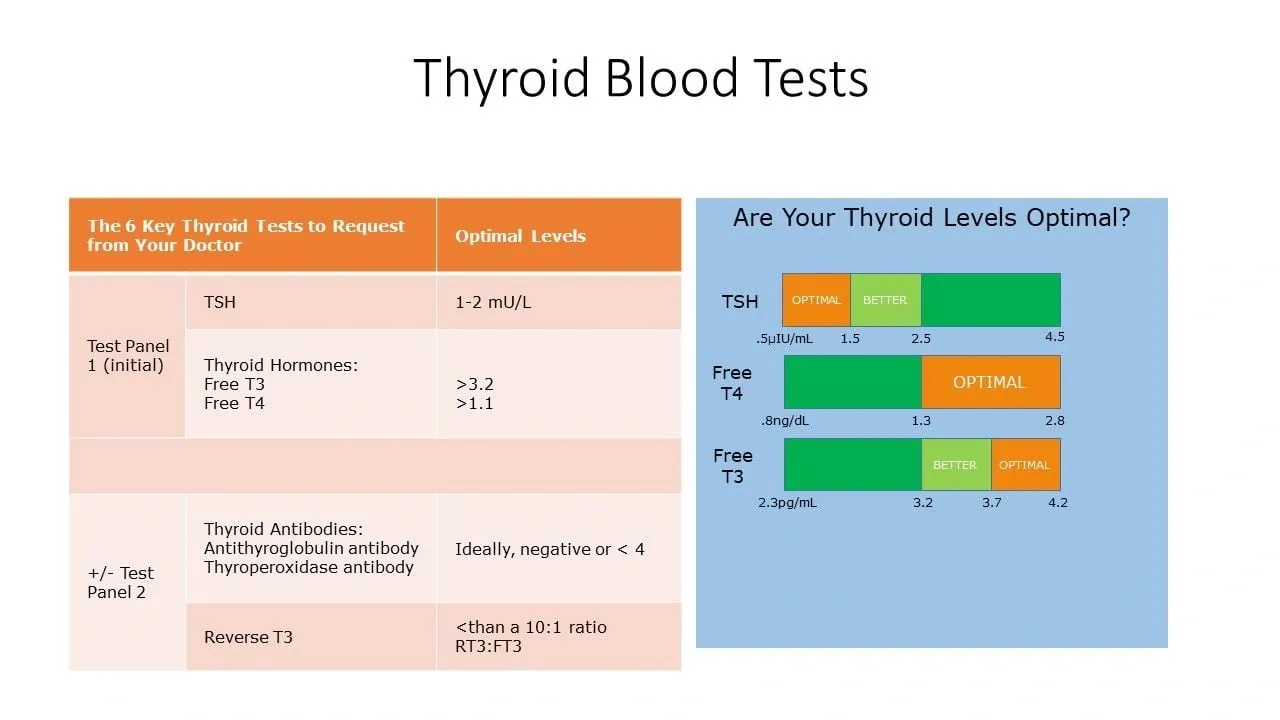
Image Source: Discounted Labs
Starting a T3 trial requires the right approach and expert guidance. Finding the right candidate and following proper protocols makes all the difference between success and frustration.
Who may be a good candidate for T3
Not everyone benefits from T3 supplementation, but certain patients show remarkable improvement. Ideal candidates typically include those experiencing persistent symptoms despite normal TSH levels on levothyroxine [19], patients with relatively lower serum T3 concentrations [19], and individuals with genetic variants affecting T4-to-T3 conversion [5].
You might also be a candidate if you require extremely high doses of levothyroxine to achieve target lab values [20]. This often indicates conversion challenges that T3 can address directly.
How T3 is prescribed (monotherapy vs combination)
T3 works best as combination therapy alongside T4 [16]. Monotherapy with T3 alone is reserved exclusively for patients with confirmed allergies to levothyroxine [16].
For combination therapy, providers typically use a 1:16 ratio (T3:T4), administered twice daily [21]. This mimics your body’s natural hormone production pattern more closely than T4-only treatment.
What to expect during a T3 trial
A proper trial requires 3-6 months to evaluate effectiveness [16]. Your doctor will start with low doses and gradually adjust while maintaining thyroid levels within normal ranges.
Keep realistic expectations. Not everyone experiences symptom improvement—if benefits aren’t observed after adequate trial time, your provider will likely discontinue T3 and return to T4-only treatment [16]. This doesn’t mean you’ve failed; it simply means T4 alone works better for your physiology.
Monitoring labs and symptoms during treatment
Regular monitoring ensures both safety and effectiveness. Once stabilized, lab monitoring typically occurs every 6-12 months [16]. If your TSH drops below normal range, more detailed monitoring of bone and heart health may be necessary [16].
Track both objective measurements and subjective symptoms. Keep a daily journal noting energy levels, mood, sleep quality, and any side effects. This information helps your provider make informed adjustments.
Working with a knowledgeable provider
Finding a provider experienced with T3 therapy is crucial. Combination treatments should only be initiated and supervised by accredited endocrinologists [17]. Look for providers who understand the nuances of T3 dosing and monitoring protocols.
At Venture Wellness, we specialize in personalized thyroid optimization tailored to your unique needs. Schedule your consultation today to explore whether T3 might be the missing piece in your thyroid treatment plan.
Conclusion
Your body produces both T4 and T3 for a reason. When T4-only therapy leaves you struggling with persistent symptoms despite “normal” labs, T3 supplementation might fill the gap that standard treatment misses.
The research is clear: properly monitored T3 therapy offers similar safety profiles to levothyroxine alone. However, not everyone needs it, and certain patients—including pregnant women and those with heart conditions—require different approaches. The key lies in working with a provider who understands when T3 makes sense for your specific situation.
Genetic factors play a significant role in determining who benefits most from combination therapy. If you’re among the 15-20% of people with conversion challenges, T3 supplementation isn’t just helpful—it may be essential for feeling your best.
You don’t have to accept persistent fatigue, brain fog, or weight struggles as “normal” parts of hypothyroidism. Many patients discover that adding T3 to their treatment plan restores the energy, mental clarity, and metabolic function they thought was lost forever.
The path to optimal thyroid health looks different for everyone. At Venture Wellness, we take a personalized approach to thyroid optimization, recognizing that standard protocols don’t work for all patients. If you’ve been struggling with symptoms despite taking levothyroxine, schedule a consultation today to explore whether T3 might be your missing piece.
Don’t wait: Empower yourself with the expert care you deserve.
Key Takeaways
Understanding T3’s role in thyroid treatment can unlock better symptom management for patients who struggle with standard T4-only therapy.
• T4 (levothyroxine) requires conversion to active T3 hormone, but 15-20% of people have genetic variants affecting this process • T3 supplementation can improve persistent fatigue, brain fog, weight management, and mood when T4 alone fails • Combination T4/T3 therapy is safe when properly monitored, with studies showing similar adverse effects to T4-only treatment • Ideal candidates include those with ongoing symptoms despite normal TSH levels and poor T4-to-T3 conversion ability • T3 trials require 3-6 months with specialized provider supervision and regular lab monitoring for optimal safety
For patients experiencing persistent hypothyroid symptoms despite “normal” lab results on levothyroxine, T3 supplementation may provide the missing piece in achieving optimal thyroid function and symptom relief.
References
[1] – https://www.btf-thyroid.org/patient-leaflet-about-use-of-liothyronine-t3-in-hypothyroidism
[2] – https://www.youtube.com/watch?v=5yu4Z8Fb8e8
[3] – https://www.endocrinology.org/endocrinologist/125-autumn17/features/liothyronine-l-t3-treatment-in-hypothyroidism/
[4] – https://www.palomahealth.com/learn/t3-treatment-hypothyroidism?srsltid=AfmBOoqMoMwp4tMvlPfszCgtjghEDOC76dxRaa8TPJMUyyDbOJHnphPT
[5] – https://www.everlywell.com/blog/thyroid/t3-and-t4-hormones/?srsltid=AfmBOor1hKmES99–mL22QsuZdVDM4op9NcwXpZqKWVAizY_xNmbrTA_
[6] – https://my.clevelandclinic.org/health/articles/22391-thyroid-hormone
[7] – https://www.sciencedirect.com/science/article/abs/pii/S2213858722000043
[8] – https://www.thyroid.org/thyroid-hormone-treatment/
[9] – https://pmc.ncbi.nlm.nih.gov/articles/PMC9987447/
[10] – https://www.jci.org/articles/view/60047
[11] – https://www.palomahealth.com/learn/low-free-t3–cognitive-impairment?srsltid=AfmBOoqGELwEmjy2pbRJPi4ANjUnmKceRc333PsJLCurSVtsHrqBWXHw
[12] – https://pmc.ncbi.nlm.nih.gov/articles/PMC5461198/
[13] – https://www.thyroid.org/patient-thyroid-information/ct-for-patients/may-2022/vol-15-issue-5-p-3-4/
[14] – https://pmc.ncbi.nlm.nih.gov/articles/PMC8901556/
[15] – https://www.chop.edu/treatments/thyroid-hormone-replacement-therapy
[16] – https://blog.cytoplan.co.uk/improving-thyroid-hormone-conversion/
[17] – https://www.thyroid.org/patient-thyroid-information/ct-for-patients/november-2023/vol-16-issue-11-p-13-14/
[18] – https://www.womenshealthnetwork.com/thyroid-health/what-is-thyroid-hormone-conversion/
[19] – https://health.clevelandclinic.org/underactive-thyroid-is-yours-being-overtreated
[20] – https://pmc.ncbi.nlm.nih.gov/articles/PMC12410953/
[21] – https://pmc.ncbi.nlm.nih.gov/articles/PMC8566135/
[22] – https://athenaeumpub.com/utility-of-t3-therapy-in-clinical-practice-a-narrative-review/
[23] – https://www.mdpi.com/1422-0067/25/17/9218