
TRT and Erythrocytosis: Finding the Right Balance for Men’s Health
For men over 40 dealing with fatigue, low libido, or other signs of low testosterone, Testosterone Replacement Therapy (TRT) can seem like a game-changer. It revitalizes energy and well-being, but it’s important to stay aware of possible side effects, like erythrocytosis—an increase in red blood cells. This issue can lead to complications if ignored, so staying informed and proactive about your health is key. We’re diving into the connection between testosterone therapy and erythrocytosis and whether regular blood donations play a role. Discover how Venture Wellness focuses on long-term health with customized plans designed with you in mind. Learn more.
Grasping Erythrocytosis in TRT
Erythrocytosis is a common effect for men on TRT, making it essential to understand how TRT influences your blood.
What is Erythrocytosis?
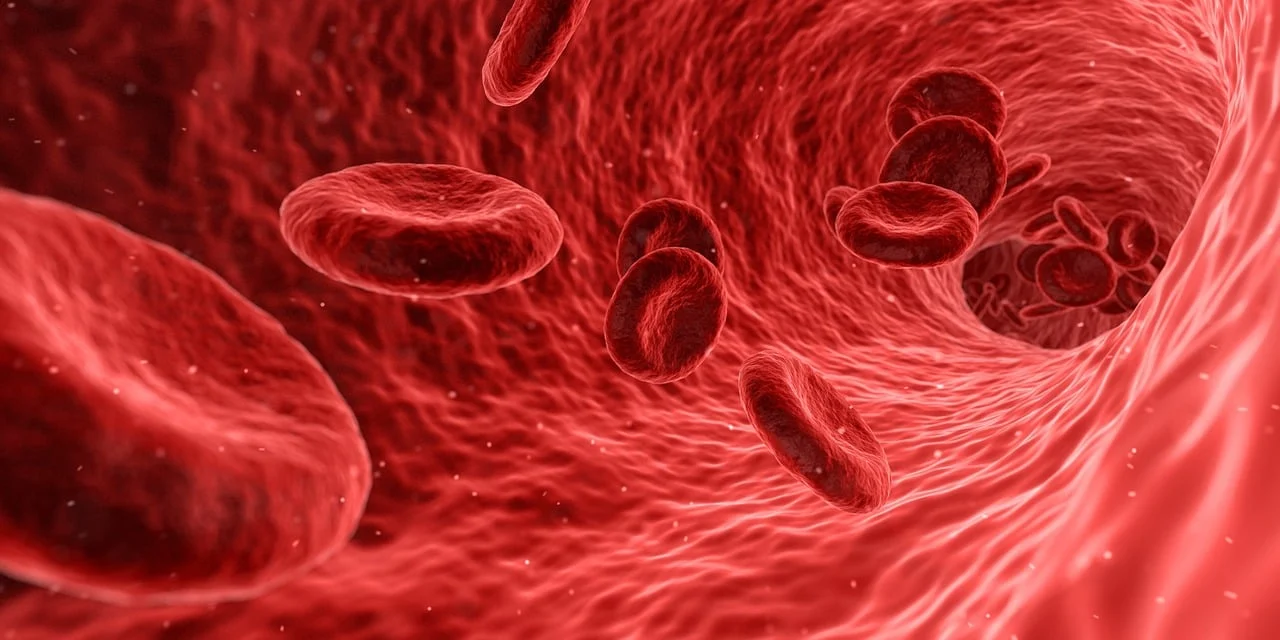
Simply put, Erythrocytosis is an increase in red blood cells, potentially leading to thicker blood and raising cardiovascular risks. For men engaged in TRT, keeping a watchful eye on erythrocytosis can help maintain health and safety.
As testosterone levels increase via TRT, it sparks erythropoiesis—producing more red blood cells. Managing this is crucial, and regular blood tests are your best ally in catching significant changes in hematocrit levels.
Research from PMC underscores how important it is for those considering or on TRT to be aware of erythrocytosis to effectively manage potential health risks.
TRT’s Effect on Blood Levels
Increased red blood cell production from Testosterone Replacement Therapy can be a boon for those with low levels, enhancing oxygen delivery to muscles and boosting energy and endurance. However, it’s crucial to prevent elevated hematocrit levels that can lead to thicker blood.
The Journal of Clinical Endocrinology & Metabolism reiterates the necessity of regular monitoring to reap TRT’s benefits while managing its risks. Talk openly with your healthcare provider about your blood test outcomes.
Balancing TRT and Erythrocytosis
Handling erythrocytosis when on TRT involves regular check-ins and options like blood donations. Let’s look at how these strategies work.
Key to Regular Monitoring
Regular check-ups of blood levels are crucial for anyone on TRT, helping spot any abnormal increases in hematocrit that could imply erythrocytosis.
-
Stick to Regular Blood Tests: Make sure blood tests are part of your TRT routine to check hematocrit levels.
-
Pay Attention to Symptoms: Be aware of signs like reaccurent dizziness or headaches, increased fatigue, indicating elevated blood viscosity.
-
Tweak Treatments as Needed: Your healthcare provider might adjust your TRT dosage to lower risks, addressing other causes like smoking or sleep apnea if necessary.
A study on Taylor & Francis Online highlights regular monitoring’s role in avoiding complications, allowing the benefits of TRT while minimizing health concerns.
The Blood Donation Strategy
Regular Blood Donations are a tangible way to manage erythrocytosis, helping to reduce red blood cell counts and lower hematocrit levels.
-
Therapeutic Phlebotomy: This medically-direct procedure serves conditions like erythrocytosis, akin to regular blood donation. At Venture Wellness we work on your protocol to optimize testosterone levels without having to undergo regular phlebotomy to manage this side effect.
-
Scheduling: Based on your health, regular donations may help keep hematocrit levels in check and help the community
While blood donations assist in managing erythrocytosis, they also benefit the wider community. However, they shouldn’t replace strategic testosterone management for persistent high hematocrit levels.
This article is for education and is not medical advice. Medications mentioned here, including compounded medications, are prescribed at Venture Wellness only after evaluation by a licensed provider, and a prescription is never guaranteed. Compounded medications are not FDA-approved. Talk with your own clinician before starting, stopping or changing any medication.