
CRP Blood Test Explained: What Your Inflammation Levels Really Mean
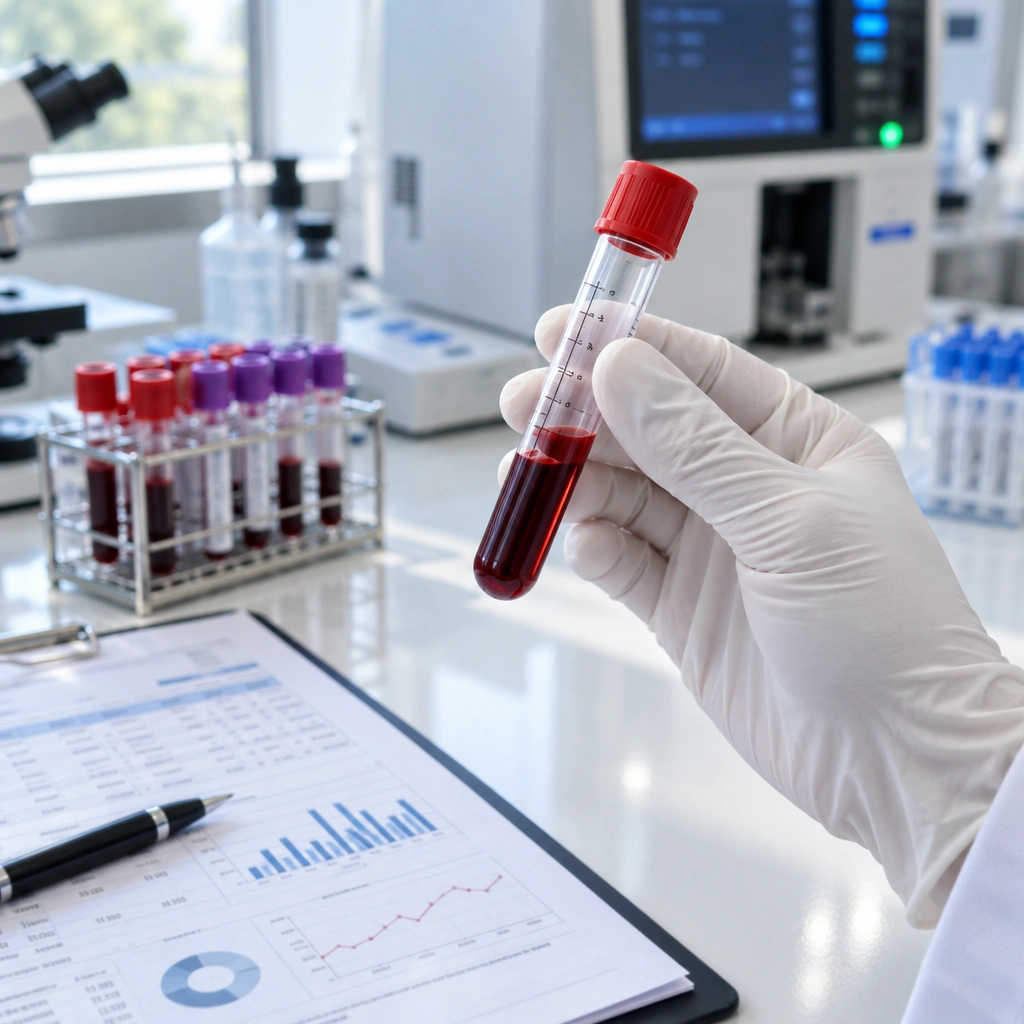 Your CRP blood test results just came back, and you’re staring at numbers that don’t make much sense. Actually, this simple blood test measures inflammation in your body. Results equal to or higher than 8 mg/L or 10 mg/L are considered high[12]. Elevated CRP levels can signal chronic inflammation, which is linked to serious health conditions like heart disease, diabetes, cancer, and autoimmune disorders[12]. Understanding what is CRP blood test results really mean helps you take control of your health. We’ll walk you through CRP basics, how to interpret your CRP normal levels, what elevated CRP means for you, and practical steps to manage CRP inflammation.
CRP Blood Test Basics: What You Need to Know
C-reactive protein is a special protein your liver makes. When inflammation happens anywhere in your body, your liver releases more CRP into your bloodstream[6]. Basically, the crp blood test measures how much of this protein is in your blood at any given time.
The test catches inflammation fast. CRP levels can jump within 6 to 8 hours after inflammation starts and peak around 48 hours[13]. In severe cases, CRP can increase up to 1000-fold from normal levels[14].
Doctors order a crp blood test when they suspect several conditions:
-
Bacterial infections (with fever, chills, rapid heartbeat, or rapid breathing)
-
Autoimmune diseases like rheumatoid arthritis or lupus
-
Inflammatory bowel disease
-
Post-surgery monitoring for infections
-
Chronic inflammatory conditions
The test itself is straightforward. A healthcare professional inserts a needle into a vein in your arm and collects a blood sample[6]. The entire process takes less than five minutes[6]. You might feel a small pinch when the needle goes in.
You don’t need to fast or do any special preparation[3]. However, avoid intense exercise like heavy weight training before the test, as strenuous activity can temporarily spike CRP levels[15]. Some medications may affect results, so tell your doctor about any supplements or medicines you take[5].
How to Read and Interpret Your CRP Results
Reading your crp blood test results starts with understanding the numbers. In general, healthy adults have CRP levels below 0.9 mg/dL[6]. However, different labs use different ranges, so check what your specific lab considers normal[4].
Your results fit into categories based on how high they are:
-
Less than 0.3 mg/dL: Normal for most healthy adults[4]
-
0.3 to 1.0 mg/dL: Unclear if concerning, may need hs-CRP for clarity[4]
-
Above 10 mg/dL: Marked elevation[6][61]
-
Above 50 mg/dL: Severe elevation, linked to acute bacterial infections 90% of the time[6]
For heart disease risk, doctors use hs-CRP differently. Low risk is below 1.0 mg/L, average risk is 1.0 to 3.0 mg/L, and high risk is above 3.0 mg/L[4].
Several factors affect your crp normal levels naturally. Women typically have higher levels than men[6][7]. African Americans show higher CRP than Caucasians[7]. Pregnancy and birth control pills raise levels too[4].
Here’s what matters most: elevated crp tells you inflammation exists, but not where or why[1]. Your doctor needs other tests to find the actual cause[8].
Minor increases from smoking, obesity, or insomnia don’t always signal disease[6][5].
What to Do If Your CRP Levels Are High
High crp inflammation needs a focused approach. Treatment targets the root problem, not just the number itself[9]. Your doctor will look for infections, chronic conditions, or heart disease risk[9].
Lifestyle changes make a real difference. Studies show CRP can drop within just 7 days with the right diet[10]. An anti-inflammatory eating plan works best:
-
Eat more fatty fish, leafy greens, berries, and nuts[11]
-
Choose whole grains instead of white bread or pasta[11]
-
Cut back on fried foods, red meat, and processed snacks[11]
-
Add turmeric and ginger to meals[11]
Movement helps too. Aim for 30 minutes of walking or other moderate activity five days per week[11]. Strength training twice weekly adds extra benefits[11]. Losing even 5-10% of body weight can significantly reduce crp inflammation[2].
Other steps that lower elevated crp include getting 7-9 hours of sleep nightly[2], managing stress through meditation or deep breathing[11], quitting smoking[11], and limiting alcohol to one drink daily for women or two for men[11].
Some medications reduce CRP as a side effect. Statins, NSAIDs like ibuprofen, and metformin all affect inflammatory pathways[11].
Your doctor may retest your crp blood test in a few weeks, especially if no clear cause appears initially[9]. CRP levels can return to normal within 18-20 hours once the inflammatory trigger is removed[1].
Conclusion
Understanding your CRP results puts you in control of your health. Above all, remember that high CRP levels aren’t a diagnosis on their own. They simply tell you inflammation exists in your body. The good news is that you can lower elevated CRP through diet changes, regular exercise, better sleep, and stress management. Work with your doctor to find the cause and create a plan that fits your life.
FAQs
Q1. What is considered a high CRP level in a blood test? CRP levels equal to or higher than 8-10 mg/L are generally considered high. Levels between 1.0-10 mg/dL indicate moderate elevation, while levels above 10 mg/dL show marked elevation. Severe elevation occurs above 50 mg/dL and is often linked to acute bacterial infections.
Q2. Do I need to fast before getting a CRP blood test? No, you don’t need to fast or do any special preparation before a CRP blood test. However, you should avoid intense exercise like heavy weight training before the test, as strenuous activity can temporarily increase CRP levels. Inform your doctor about any medications or supplements you’re taking, as some may affect results.
Q3. How quickly can CRP levels change in the body? CRP levels can rise rapidly within 6 to 8 hours after inflammation begins and typically peak around 48 hours. In severe cases, CRP can increase up to 1000-fold from normal levels. Once the inflammatory trigger is removed, CRP levels can return to normal within 18-20 hours.
Q4. What lifestyle changes can help lower high CRP levels? Several lifestyle modifications can reduce CRP levels, including following an anti-inflammatory diet rich in fatty fish, leafy greens, and berries while avoiding processed foods. Regular exercise (30 minutes of moderate activity five days per week), getting 7-9 hours of sleep nightly, managing stress, quitting smoking, and losing 5-10% of body weight can all significantly lower CRP inflammation.
Q5. Does an elevated CRP level mean I have a specific disease? No, elevated CRP indicates that inflammation exists in your body but doesn’t specify where or why. It’s not a diagnosis on its own. Your doctor will need additional tests to identify the actual cause, which could range from infections and autoimmune diseases to chronic inflammatory conditions or heart disease risk.
References
[1] – https://www.anadolumedicalcenter.com/health-guide/high-crp-levels-what-it-is-causes-symptoms-and-treatment
[2] – https://ubiehealth.com/doctors-note/c-reactive-proteins-levels-inflammation-10-tips-4232e5
[3] – https://www.webmd.com/a-to-z-guides/c-reactive-protein-test
[4] – https://www.ucsfhealth.org/care/medical-tests/c-reactive-protein
[5] – https://medlineplus.gov/lab-tests/c-reactive-protein-crp-test/
[6] – https://my.clevelandclinic.org/health/diagnostics/23056-c-reactive-protein-crp-test
[7] – https://emedicine.medscape.com/article/2086909-overview
[8] – https://medipolglobal.com/health-guide/what-crp-test-what-do-low-and-high-crp-levels-mean
[9] – https://siphoxhealth.com/articles/what-will-a-doctor-do-if-crp-is-high?srsltid=AU7gw4VeDEWUft3_7O7fR8ViaLzQjEGTXX9zj1EBoFCMTvLwf49WEEi2
[10] – https://pmc.ncbi.nlm.nih.gov/articles/PMC9644139/
[11] – https://www.ondemand.labcorp.com/blog/what-is-high-c-reactive-protein-how-to-lower-crp?srsltid=AU7gw4VaQpuuin9_ZJPInsvt8LNe9zVIhMiH6xGkiez5Tuz407TruT6w
[12] – https://www.ondemand.labcorp.com/blog/what-is-high-c-reactive-protein-how-to-lower-crp?srsltid=AU7gw4Uvh1lj3q-1UeT4jmMmBddwHgy7pr9QX0JggoqQFlWLTVlE3XLe
[13] – https://www.frontiersin.org/journals/immunology/articles/10.3389/fimmu.2024.1425168/full
[14] – https://pmc.ncbi.nlm.nih.gov/articles/PMC5908901/
[15] – https://www.mayoclinic.org/tests-procedures/c-reactive-protein-test/about/pac-20385228