
Debunking Myths: Does Hormone Therapy Really Cause Weight Gain?
You might have heard that hormone replacement therapy causes weight gain. This belief is widespread, but it’s far from the truth. When your hormones are balanced, your body often finds a new rhythm, leading to improved energy levels, better sleep, and even weight loss. With the right approach, including medical weight loss options like semaglutide and tirzepatide, managing your weight becomes more achievable. Let’s explore how hormonal balance can be a game-changer in your weight management journey. For more insights, check out this resource.
Understanding Hormone Therapy and Weight
Exploring Hormone Replacement Therapy
Hormone Replacement Therapy (HRT) is commonly used to treat symptoms associated with hormonal imbalances, particularly during menopause. By supplementing estrogen and progesterone, HRT aims to restore hormonal balance, leading to enhanced well-being.
It’s essential to understand that HRT is not a direct cause of weight gain. Instead, it addresses symptoms like hot flashes and mood swings, helping to improve overall quality of life. Some patients report improved metabolism and energy levels, which contribute to better weight management.
Studies indicate that while some people might experience temporary weight changes, these are usually due to initial treatment adjustments. For more on HRT myths, you can refer to Her Down There.
Common Misconceptions and Facts
Many misconceptions exist around hormone therapy and weight gain. Let’s break down the facts versus the myths.
Misunderstandings often arise due to anecdotal experiences. However, scientific evidence supports the safety and benefits of HRT when properly managed. For more clarity on these misconceptions, see Spartan Medical Associates.
Hormonal Balance and Weight Management

Achieving hormonal balance is pivotal for effective weight management. This section examines how Bioidentical Hormone Replacement Therapy (BHRT) and medical weight loss options contribute to weight control.
The Role of BHRT in Weight Control
Bioidentical Hormone Replacement Therapy (BHRT) uses hormones identical to those the body produces. This approach can help stabilize weight by enhancing metabolism and energy levels.
Patients often notice improvements in their body composition with BHRT. While it doesn’t directly cause weight loss, the resulting hormonal balance can make maintaining a healthy weight more manageable.
Case studies show that when BHRT is combined with lifestyle changes, patients report sustained weight control and improved overall health. Read more about BHRT’s impact on weight management at Venture Wellness.
Medical Weight Loss Options Explained
In conjunction with hormone therapy, medical weight loss options like semaglutide and tirzepatide can help those struggling with weight management.
-
Semaglutide: This medication mimics a hormone that regulates appetite, helping reduce cravings.
-
Tirzepatide: Works similarly to semaglutide but may offer additional benefits in greater efficacy with less side effect
These treatments are FDA-approved and can be effective when used alongside BHRT. For more details, check MD Anderson’s insights.
Optimizing Your Hormone Therapy Experience
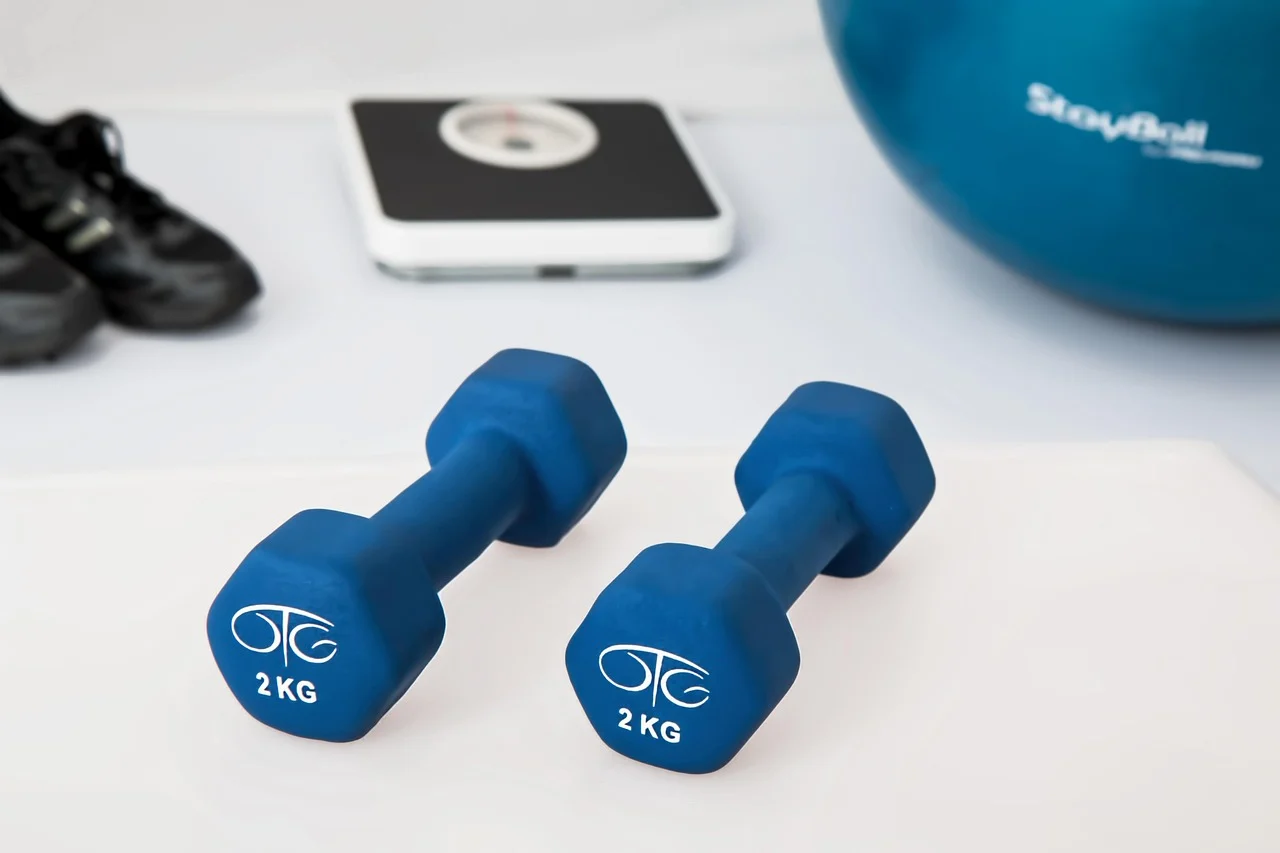
For a successful hormone therapy journey, knowing how to manage side effects and create a comprehensive wellness plan is key.
Addressing Initial Side Effects
Initial side effects like water retention or bloating might occur during hormone therapy. Here’s how to manage them:
-
Stay Hydrated: Drink plenty of water to help reduce bloating.
-
Monitor Sodium Intake: Lower your sodium consumption to minimize water retention.
-
Communicate with Your Provider: Regular check-ins can help adjust your treatment plan effectively.
These side effects typically stabilize within a few weeks. For a deeper dive into HRT myths, visit Sylacauga OBGYN.
Creating a Holistic Wellness Plan
Combining hormone therapy with a balanced lifestyle enhances its benefits. Key components of a holistic plan include:
-
Balanced Diet: Ensure nutritional needs are met to support hormone function.
-
Regular Exercise: Incorporate physical activity, especially strength training at least 3-4 days a week to boost metabolism and energy.
-
Stress Management: Practice relaxation techniques to maintain hormonal balance.
By integrating these elements, you can optimize your hormone therapy results and promote overall well-being.

This article is for education and is not medical advice. Medications mentioned here, including compounded medications, are prescribed at Venture Wellness only after evaluation by a licensed provider, and a prescription is never guaranteed. Compounded medications are not FDA-approved. Talk with your own clinician before starting, stopping or changing any medication.